About us
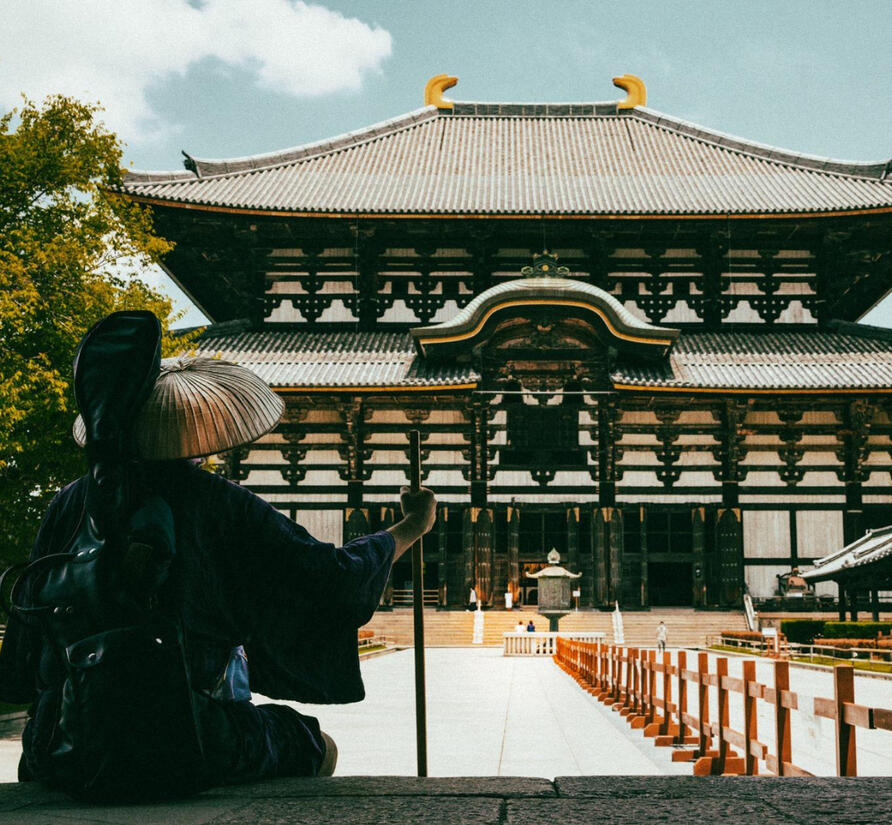
AFK DAO
away from known
creative tradition
3 years
walking pilgrimage
through Japan
Ethnomusicologist, musician, and Co-founder of Ethnopunk
Producer, shishimai dance performer and Co-founder of Ethnopunk
Kyogen dance performer,
traditional, neo-traditional, partner of Ethnopunk
Various projects, bands, artists, expanding creative connections.

Ethnopunk Project
Ethnopunk is a dynamic and multidimensional cultural project that explores and revitalizes traditional Japanese arts and folk traditions. This innovative project seamlessly blends ancient customs with contemporary expressions, resulting in a unique fusion.
Through captivating performances, interactive educational initiatives, and collaborative projects, Ethnopunk seeks to not only promote Japanese culture but also inspire a new generation to actively participate in the ongoing evolution and development of tradition. By celebrating the diversity found in regional folk cultures and festivals, Ethnopunk makes significant contributions to the preservation and evolution of Japan's rich artistic heritage. This vibrant journey transcends time, weaving together the roots of the past with the pulsating beats of the present, all while pioneering new and creative traditions.
(The Ethnopunk Manifesto was written and published in 2020,
just before the Journey across Japan was set to begin.)
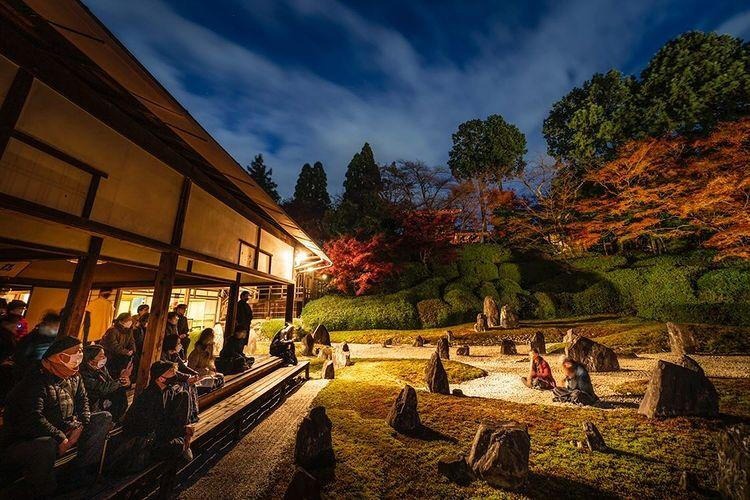
Our project is a combination of activities that includes music and dance storytelling performances and events, helping to preserve the tradition, and supporting local artists and communities.We've had the privilege of performing at remarkable locations, ancient shrines, temples, and many local venues, and festivals. We've collaborated with talented artists, exploring the boundaries of traditional music and contemporary arts as well as taking part in various communal activities learning and supporting the rich and deep culture and heritage of Japan.
Following the Pilgrimage Steps of Ancient Japan:
To share our project and explore Japan's culture and history, we embarked on a unique journey. From 2020 to 2023, we walked across Japan, tracing the path from Kamakura to Yakushima. Along ancient roads, through cities, rivers, and mountains, we performed shamisen and shihimai, met people, and crafted our own stories. In our quest, we uncovered the ancient wisdom woven into Japan's rich cultural heritage, deepening our spiritual experiences.
To learn more about our journey, click here:
What Lies Ahead:
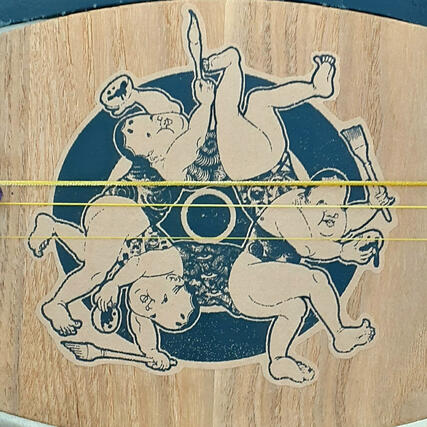
The journey is over now, we have reached our goal in Yakushima and returned to Kyoto, where our adventure continues. With a revitalized spirit and deep gratitude for the remarkable experiences that have influenced us, we are currently working on our debut album: "Seven Lucky Gods". Inspired directly by our journey, the music captures the essence of our adventures and serves as a testament to our experiences.
Join Our Movement:
The culmination of our efforts will be presented as a digital art package, an exclusive creation available only through our membership platform. This immersive experience, a true testament to the journey from tradition to innovation, will be akin to an OTT release, accessible to our dedicated supporters.Join us at this pivotal moment as we celebrate creativity, tradition, and the enduring flow of culture. Stay tuned for updates, and let's craft art that transcends boundaries and resonates with the soul.
We're eager to share the Ethnopunk cultural movement with fellow musicians and creators, inspiring artistic development and new projects. To support our cause and help sustain Japanese traditional arts, we're in the process of establishing AFK NPO, with a base in Kyoto. By becoming a member, you can be part of our mission to spread the importance of creative tradition and its evolution, not just in Japan but worldwide.
Become an Ethnopunk Member
Ethnopunk Manifesto
- Away from the Known -“ Creating the Future needs Breaking Away from the Past ”
Cultural changes are constant, with some cultures becoming extinct. Today this is consequent to factors such as globalization, the Internet, as well as quantum leaps in circulation and interaction of people following modern lifestyles. Our world is turning into a uni cultured homogeneous place lacking cultural diversity. People absorbed by modern society are forgetting their roots and traditions. Cultural identities are becoming diminished.Ethnic music is also being affected by this modern global-scale phenomenon. Songs, music styles, and techniques, passed down from one generation to the next, are becoming forgotten and lost. Traditional music instruments are being replaced by modern ones and the unique expressiveness in ethnic music is disappearing.Those who are concerned with bettering this situation, namely musicians, artists, and musicologists, are trying to find ways to preserve the ethnic music culture. The majority of traditional musicians and artists are placing focal attention on attaining, representing, and preserving ethnic music styles and performances.The world, the environment, people, habits, and customs are always undergoing changes. Culture and music are no different, also with constant changes. The only thing that doesn’t change is the fact that everything always keeps changing.We are all different. We think and feel differently. Therefore our artistic outcome should be diverse, unique, and individual. The preservation of tradition is preventing the growth and advancement of individual expression. The tradition becomes static and its evolution becomes interrupted. Past traditions need to be understood and respected. Efforts must be made to keep each tradition alive by maintaining, developing, and expanding it. Creating rules, various principles, and requirements is not what helps nourish tradition.Learning traditional art, skills, and techniques is no doubt essential but such knowledge must be used to create our own stories, songs, new techniques, and new music styles. We need to be authentic, exploring and experimenting with new musical expressions, styles, and approaches. All traditions are created by way of experiments and innovations. Various interactions, mixtures, and mutations of different traditions are happening all the time. Instead of looking at the negative aspects of globalization, we can think about this as an actual opportunity for even more unique interconnections, diverse authentic expressions, and creative cultural transformations.Ethnopunk is about such innovations and transformations. It depicts a pathway to discovering new styles, breaking away from the past, away from the known. Ethnopunk is creating ethnic music of the present and not presenting the music of the past. Great effort is made to study, grasp, and master the musical traditions. However, the acquired skills, techniques, and performance practices are employed and unconventionally applied in searching for an authentic, personal voice. Ethnopunk encourages open collaborations. It functions as a vehicle for supporting other communities, offering new ideas, making aware of the importance of artistic development, as well as helping to cultivate new art forms and cultural values."Ethno as in ethnic, world music and Punk representing creative freedom."Ethnopunk symbolizes the evolution of ethnic music. It recognizes opportunities for new experiments and possibilities within music. It makes use of the access to vast information and knowledge available worldwide and creates in a free manner without rules and authority but with self-discipline, skill, and capability.An ancient Slavic “Tree of Life” symbol is applied as a motif on the logo of Ethnopunk, wherein the roots illustrate traditional knowledge of the past, while the branches the growth toward the unknown.“Ethnopunk Represents an Inspiring, Endless Metamorphosis, the Music of Now, a Creative Tradition.”
Ethnopunk Journey
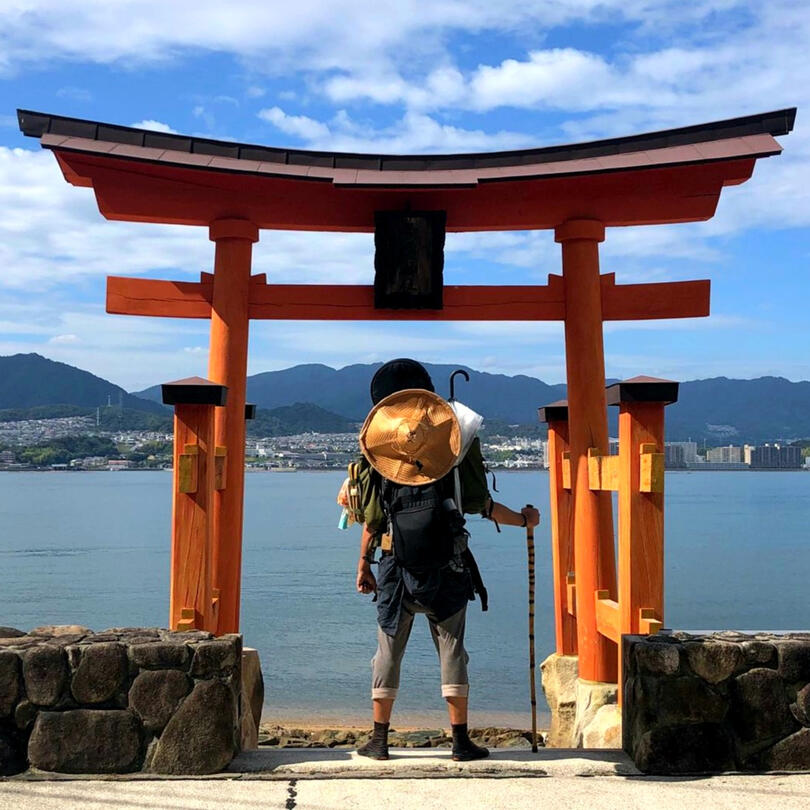
The Journey: MK and Hari embarked on an incredible pilgrimage, traversing across ancient Japan over three years.The mission: Spread the magic of shamisen music and shishimai dance, build connections, research, and revive Japan's ancient culture, diving deep into tradition, seeking authentic expression, and give birth to a brand-new creative tradition!
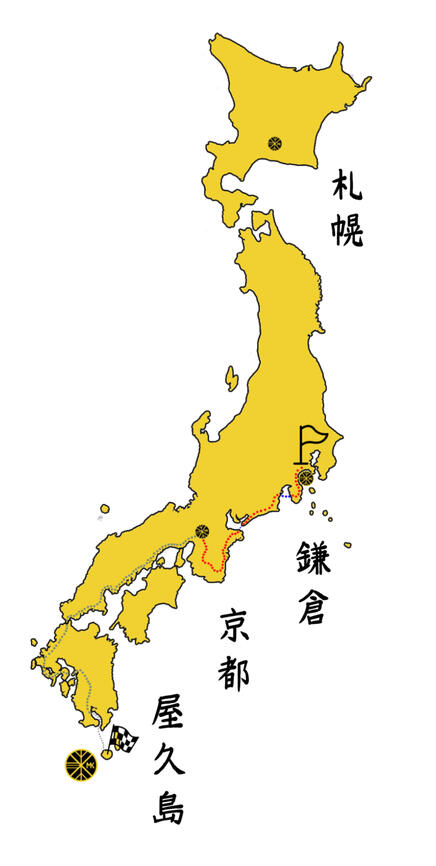
Our adventure began on June 21, 2020, in Kamakura, with a mission to embark on walking pilgrimage to Yakushima.Along the way, we performed traditional music and dance shows, creating a unique fusion of cultures. Our performances feature traditional Japanese shamisen music, Slovakian fuyara flute music, and the mesmerizing shishimai dance.Over the past three years, we've journeyed through Kanagawa, Shizuoka, Aichi, Mie, Wakayama, Nara, Kyoto, Osaka, Kobe, Okayama, Hiroshima, Yamaguchi, and then Kyushu; Fukuoka, Nagasaki, Kumamoto, Kagoshima and reached the final destination, the Jomon Sugi tree, in Yakushima.
Enjoy some of our videos on YouTube that offer glimpses into the adventures we've had along the journey.:
Our initial aspiration is to immortalize this extraordinary adventure in the pages of a captivating book, weaving together the tales and experiences we've gathered throughout our travels.